


 Yandex Translate
 Turkmenistan
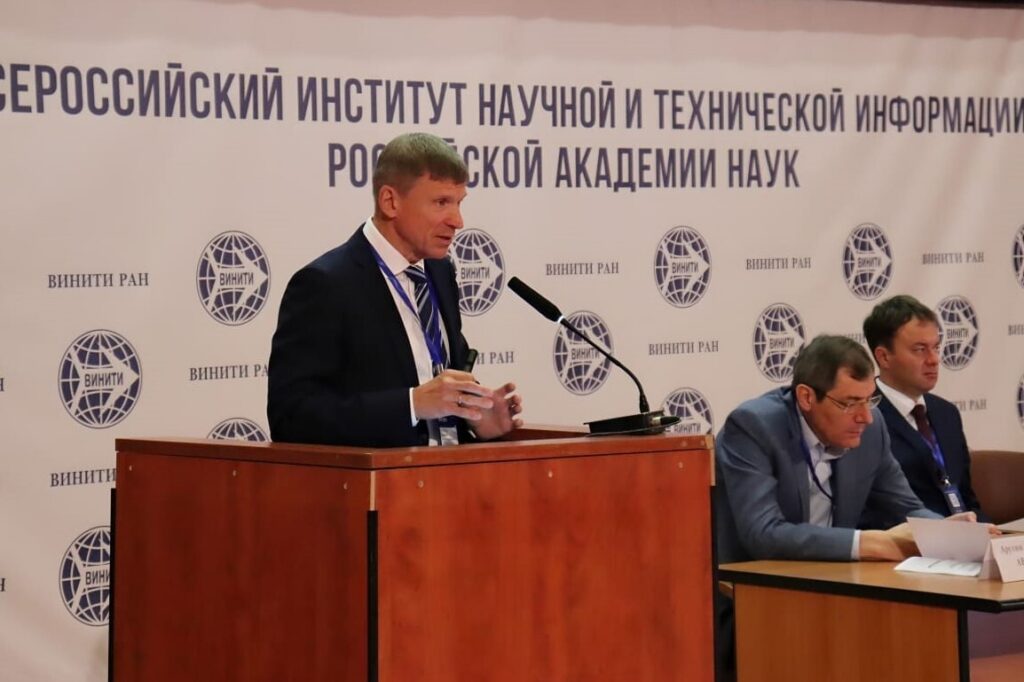
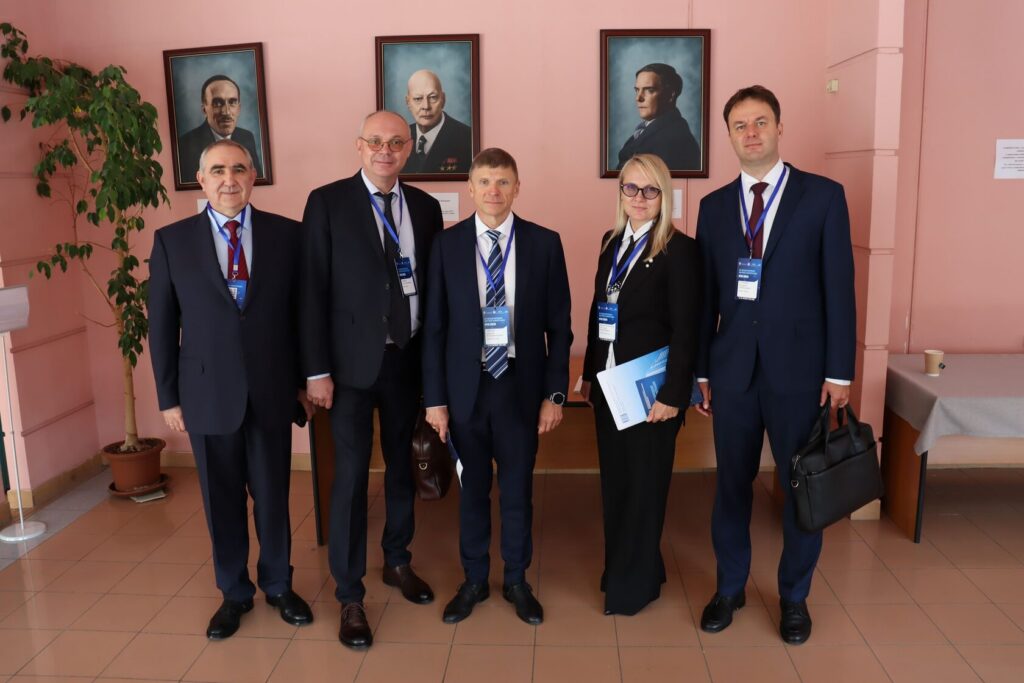
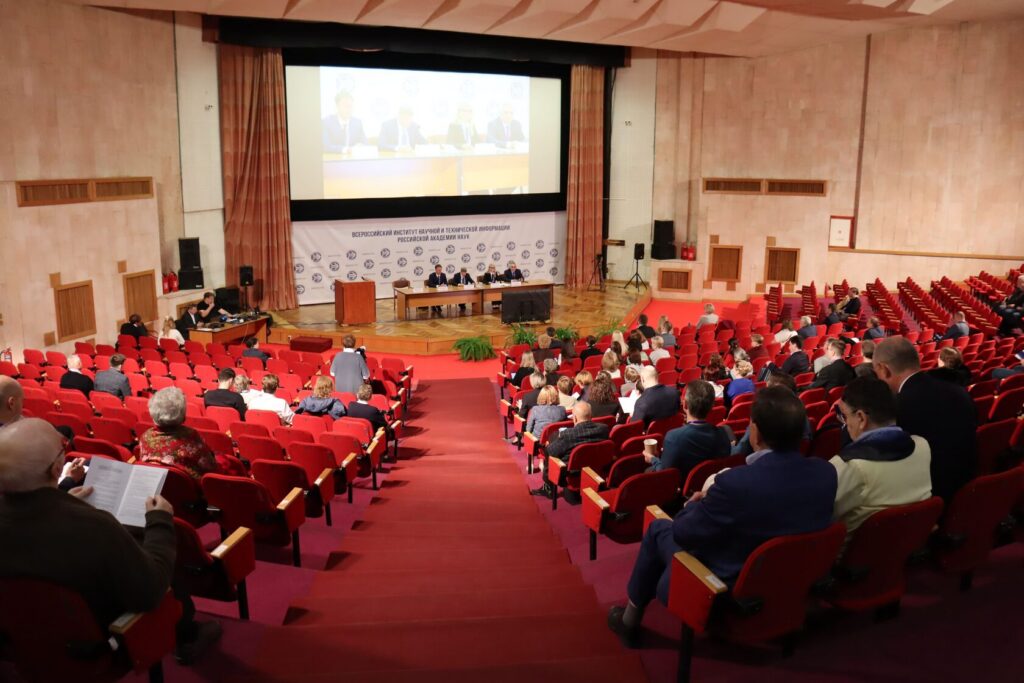
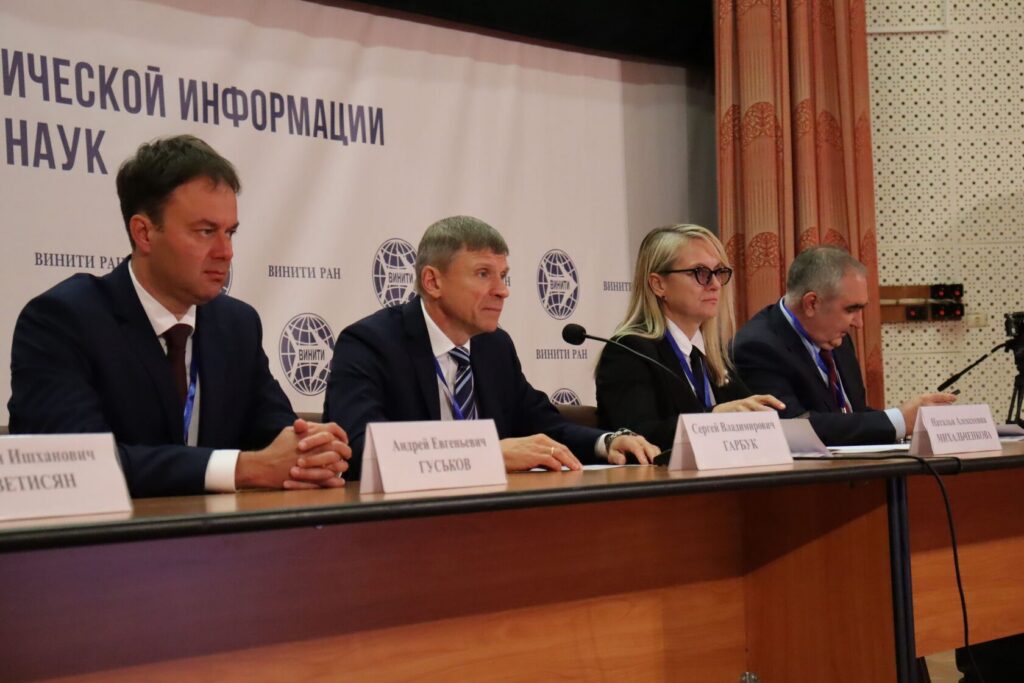
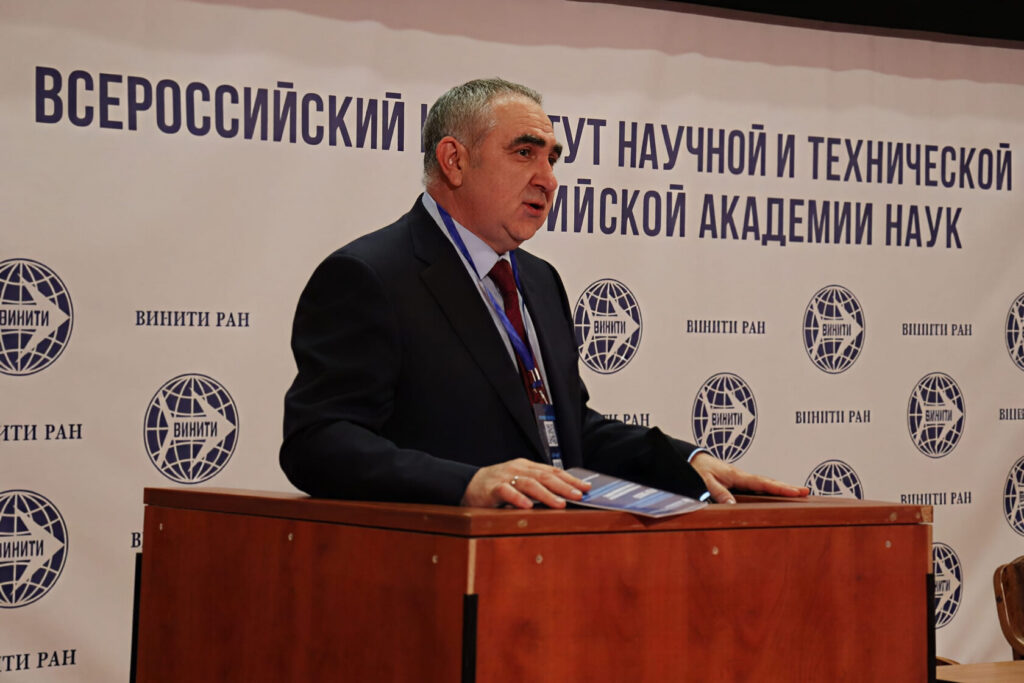
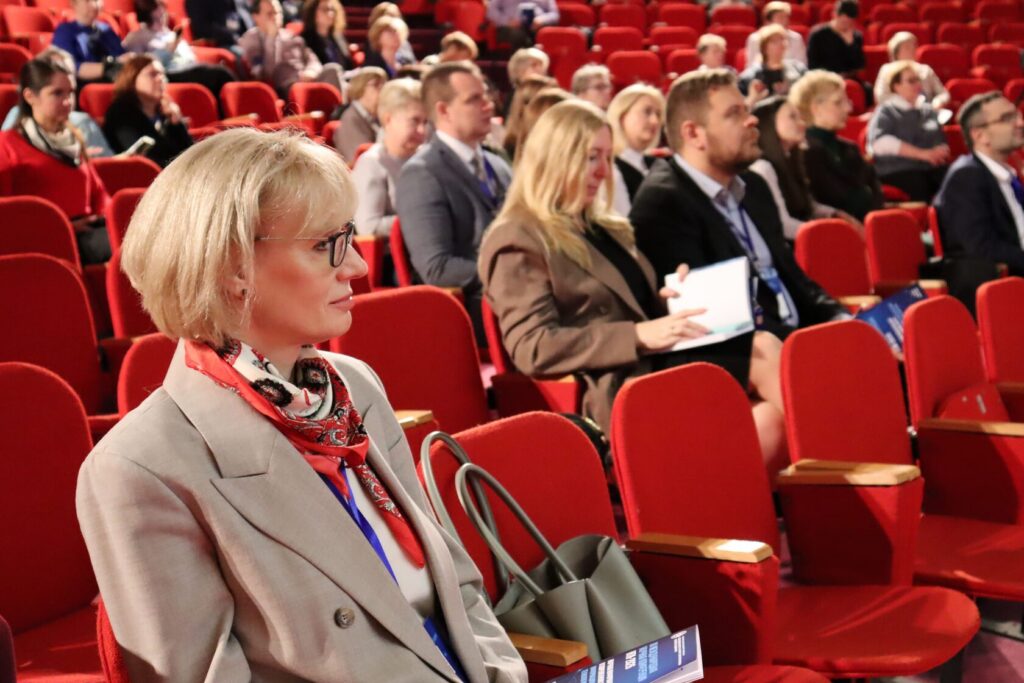
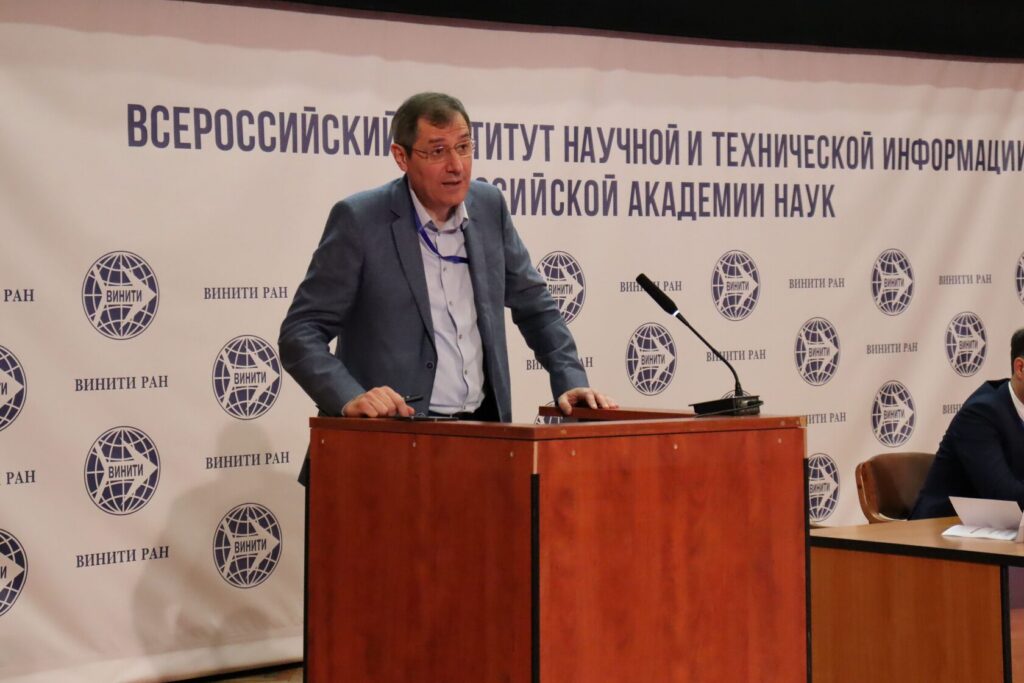
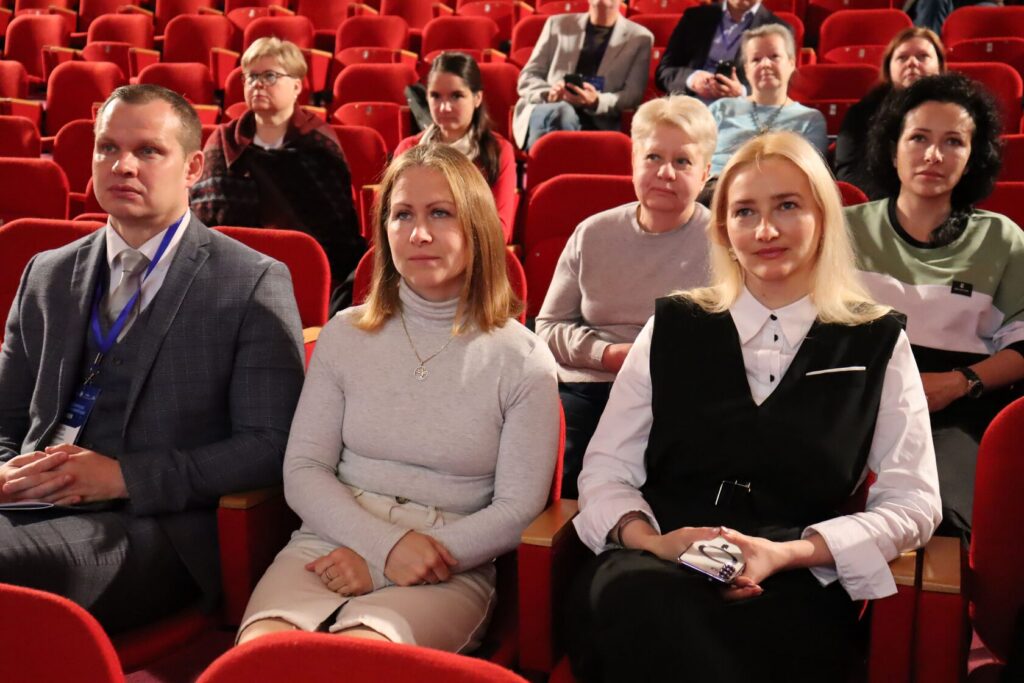
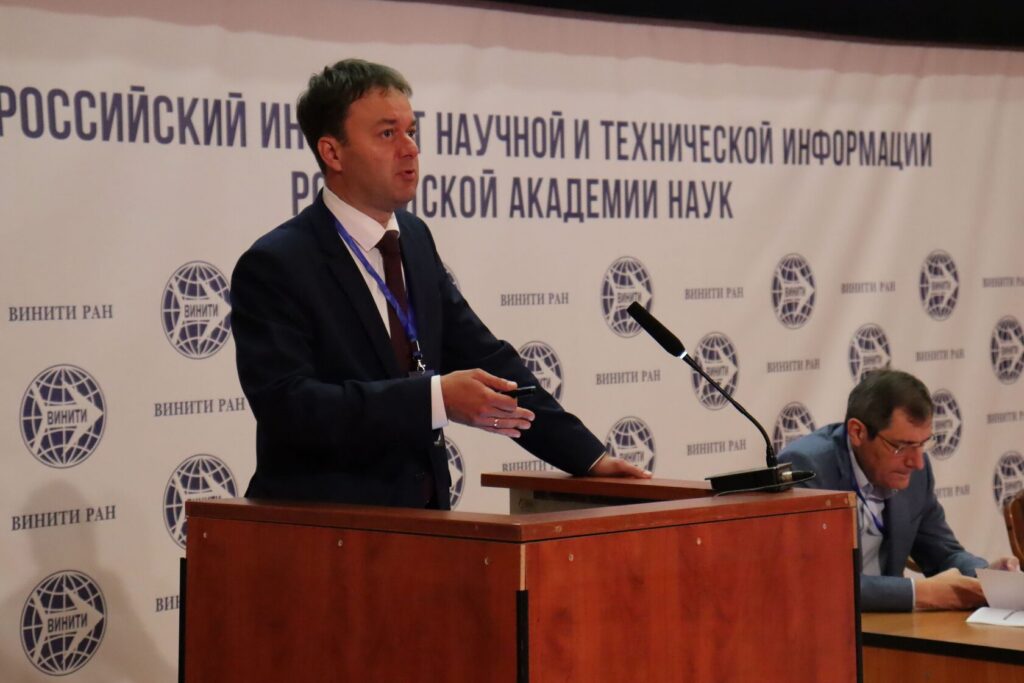
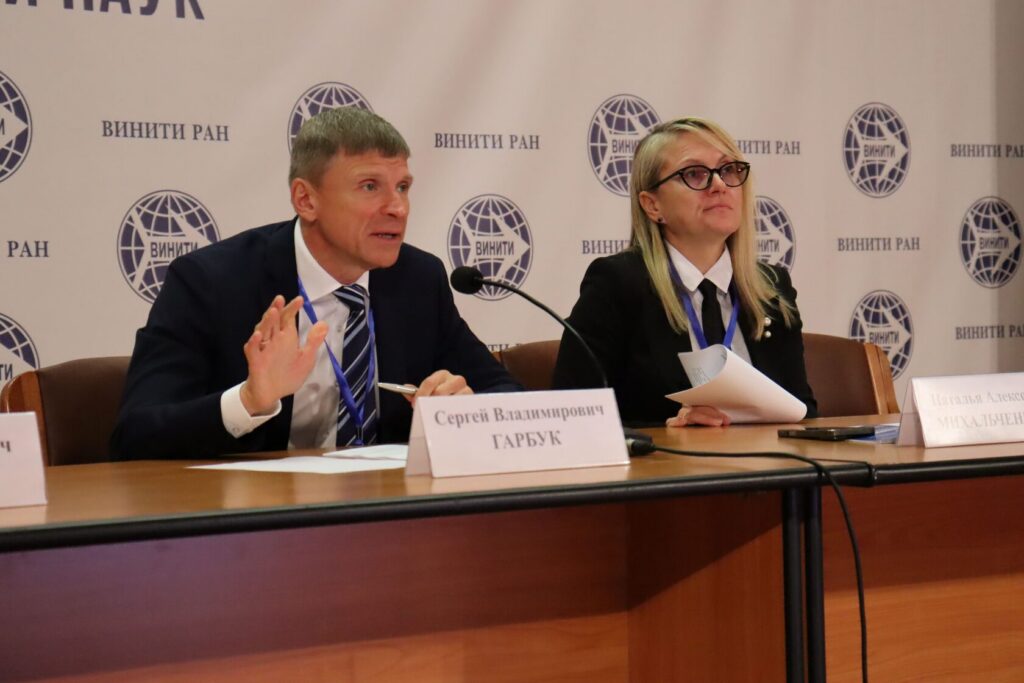
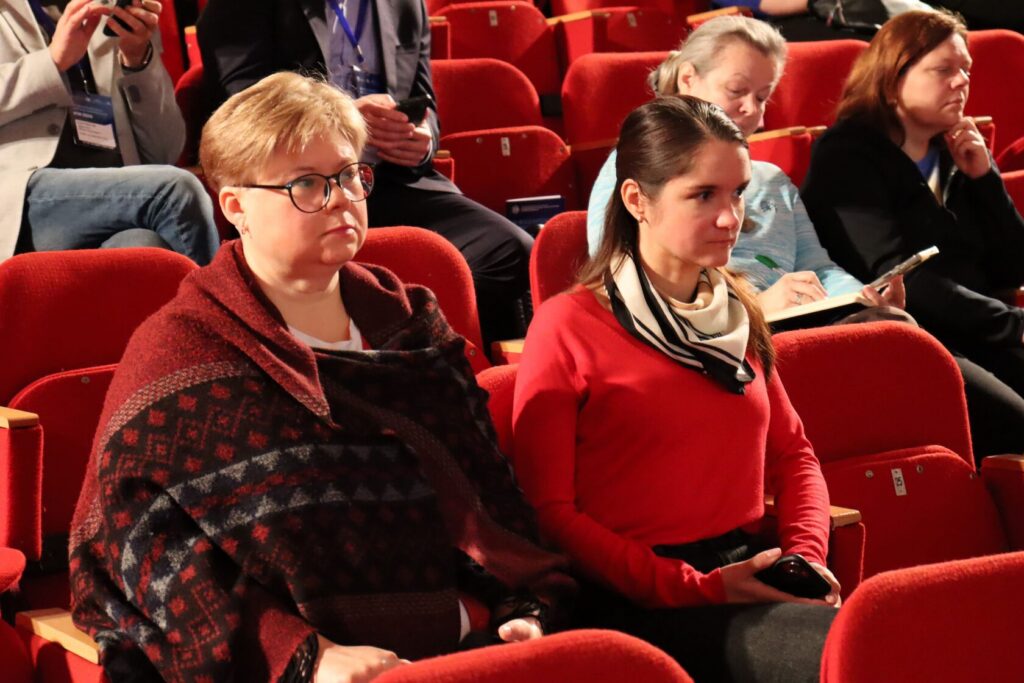
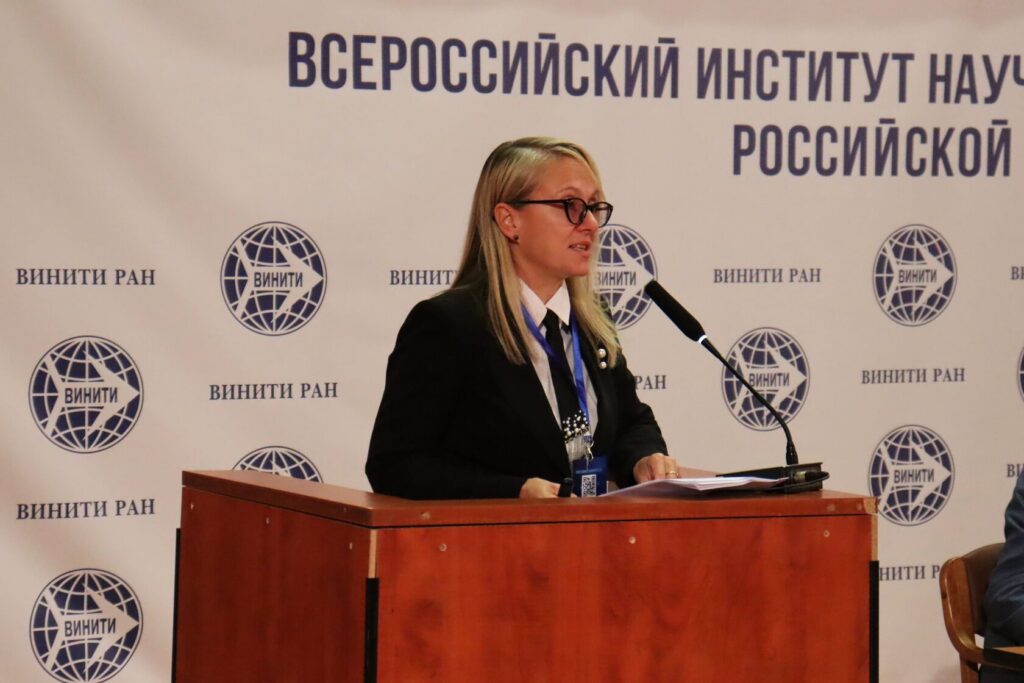
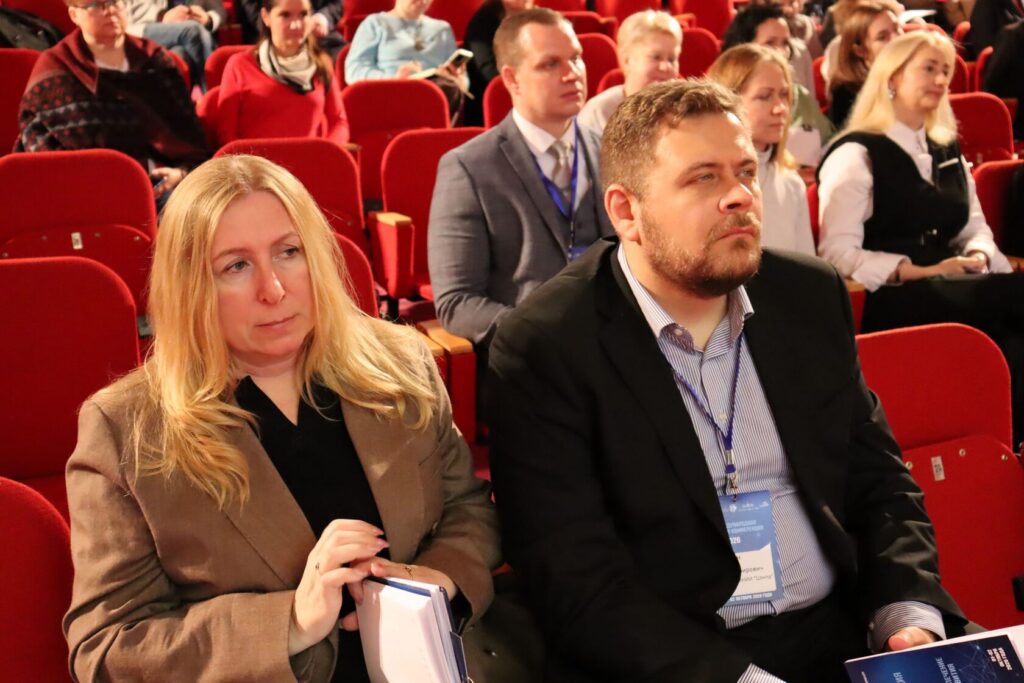
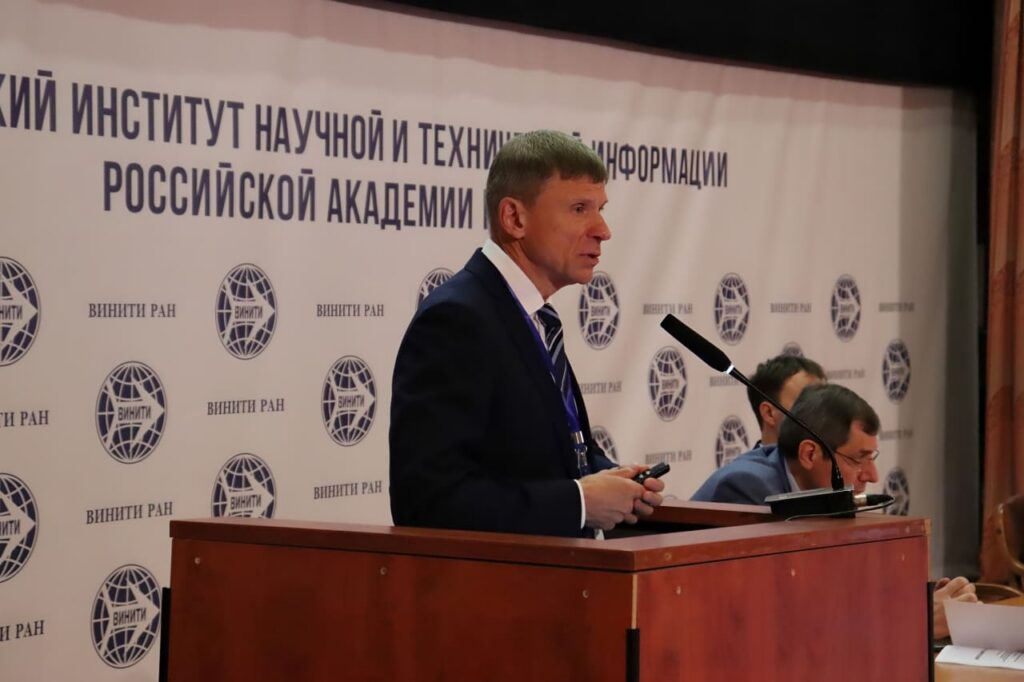
On October 1-2, 2026, the All-Russian Institute of Scientific and Technical Information of the Russian Academy of Sciences (VINITI RAS) hosted the XII International Scientific Conference "Scientific Information in the Modern World: Information Support for technological development", dedicated to key challenges and prospects for the development of the State Scientific and Technical Information System (SSTTI).
About three hundred participants — representatives of leading institutes of the Russian Academy of Sciences, information centers, state corporations, the IT industry, major libraries and universities - discussed the prospects for the development of the State Scientific and Technical Information System. Among the speakers and guests were representatives of the Republic of Belarus, the Republic of Moldova, the People's Republic of China and Brazil, as well as employees of the Kurchatov Institute Research Center, RCNI, State Scientific and Technical Library of Russia, BEN RAS, CITIS, INION RAS, MEPhI, Bauman Moscow State Technical University, HSE, MAI, IPU RAS, FITZ "Informatics and Management" RAS, Pulse of Science, Neopoisk, Inventorus, Scientific Electronic Library, and other universities and research centers.
The conference was opened by Sergey Vladimirovich Garbuk, Acting Director of the All-Russian Institute of Scientific and Technical Information of the Russian Academy of Sciences (VINITI RAS). The conference began with a plenary session devoted to key issues of the development of the State system of scientific and Technical Information and its role in ensuring technological development.
Oleg Petrovich Neretin, Doctor of Technical Sciences, Director of the Federal Institute of Industrial Property (FIPS), delivered a welcoming speech. He noted the key role of scientific, technical and patent information in the development of expertise, scientific research and domestic information systems.
The central theme of the plenary session was the search for an optimal balance between government regulation of information flows and decentralized models of scientific data management. The participants noted that the main task today is to turn disparate information into a working tool for the real sector of the economy, ensuring the technological sovereignty of the country.
Harutyun Ishkhanovich Avetisyan, Academician of the Russian Academy of Sciences, Director of the Ivannikov Institute of System Programming of the Russian Academy of Sciences, presented the report "Artificial Intelligence in Science: technologies and models of long-term development". He noted that relevant and effective scientific activity is no longer possible without the use of artificial intelligence, which has become a condition for the competitiveness of scientific organizations on the world stage.
"The State Scientific and Scientific Research Institute should transform from a repository of documents into a living multi-level ecosystem and platform for scientific AI agents," said Andrey Evgenievich Guskov, PhD, Deputy Director of the Russian Center for Scientific Information (RCNI), "combining federal and industry resources into a single integration scheme with the expert communities of the Russian Academy of Sciences and scientometric services."
Natalia Alekseevna Mikhalchenkova, Doctor of Political Sciences, General Director of the State Library of the Russian Federation, spoke about the role of the main library hub of the country. The key task of the State Scientific and Technical University of Russia today is to ensure the interoperability of the 24 largest STI suppliers and the transition to the formation of machine—readable datasets and industry-specific digital knowledge centers.
Sergey Vladimirovich Garbuk, Acting Director of VINITI RAS, concluded the plenary session with a report on the creation of a national infrastructure for scientific and information activities. Sergey Vladimirovich noted that scientific and technical information accompanies high-tech projects at all stages of their life cycle and adapts to the tasks of the state, science, business and the defense sector. And traditional documents are being transformed into structured fuel for AI training.
Photos from the event can be viewed at the link.